ellisbridge redevelopment
public street
concept
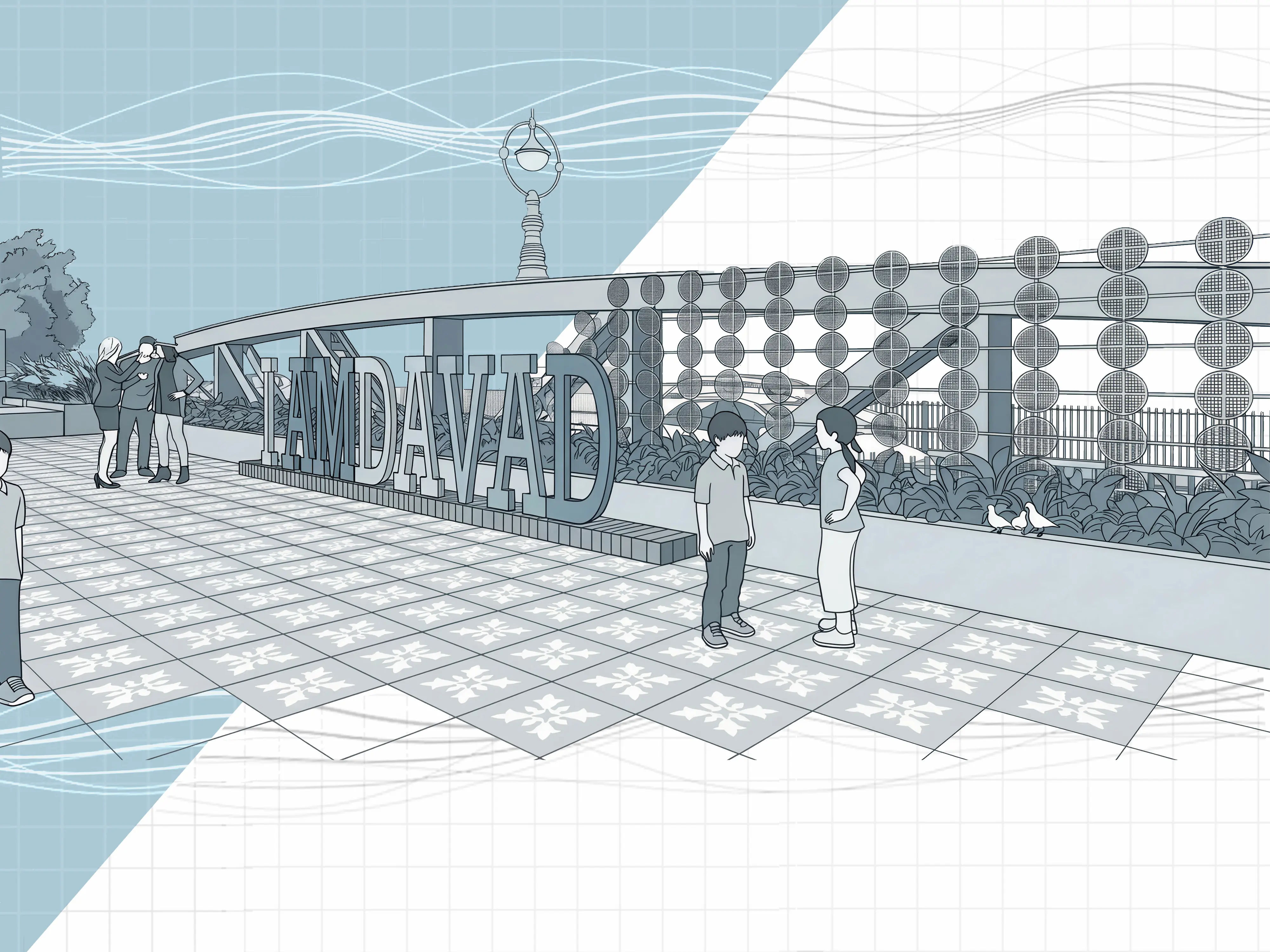
Ellisbridge, one of Ahmedabad’s historic connectors across the Sabarmati River, has long served as a physical and cultural link between the old city and the expanding urban fabric beyond it. The intervention reimagines the central portion of this bridge not merely as a passage but as an inhabitable public realm that celebrates the city’s layered identity. Drawing inspiration from Ahmedabad’s vibrant street life, heritage architecture, and craft traditions, the design transforms the bridge into a linear urban landscape where movement and pause coexist. The space is envisioned as a civic promenade where people can gather, observe the flowing river below, and engage with the city from an elevated vantage point. Through a language rooted in local culture and material expression, the bridge becomes a contemporary interpretation of Ahmedabad’s public spaces.
design
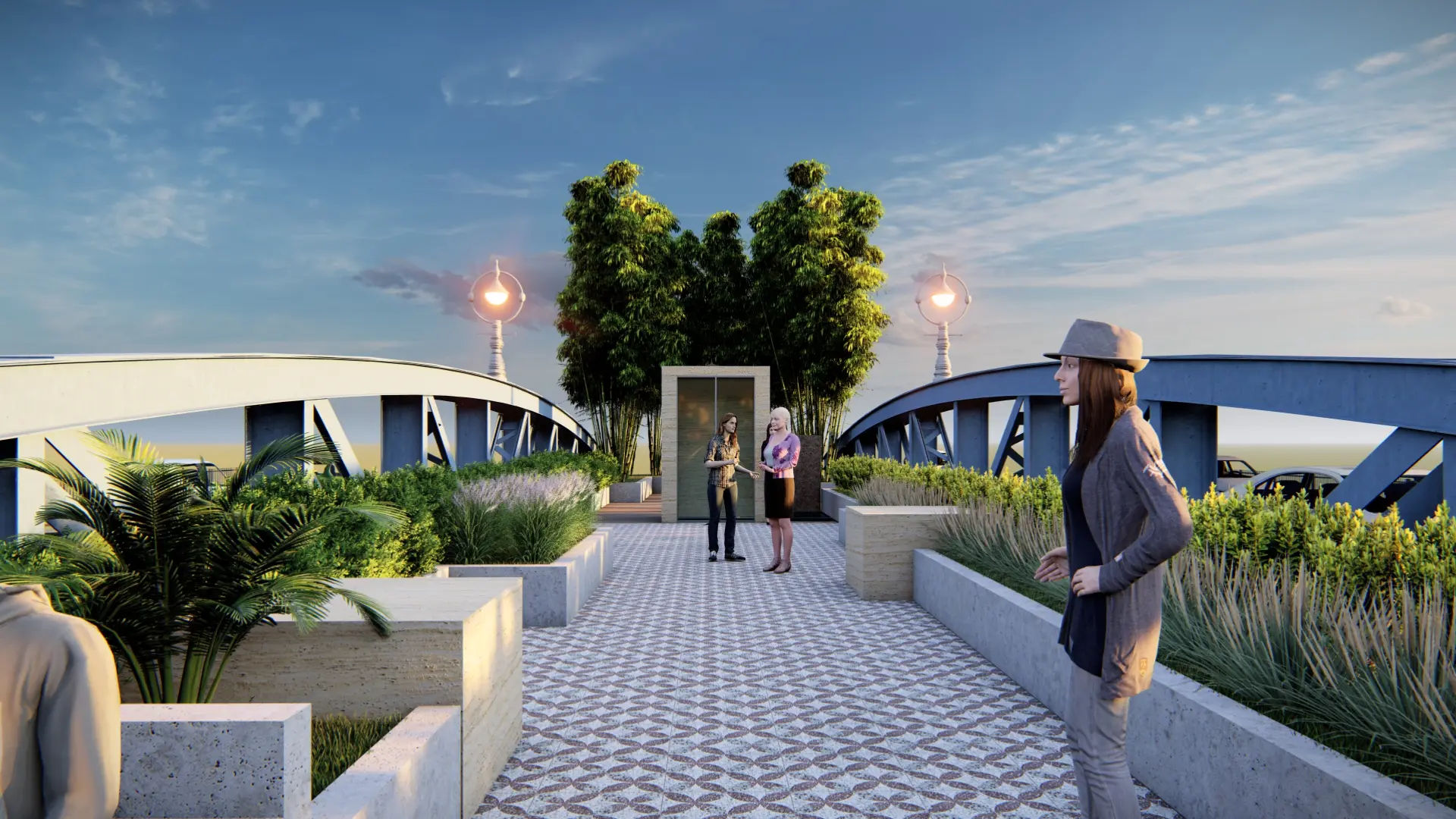
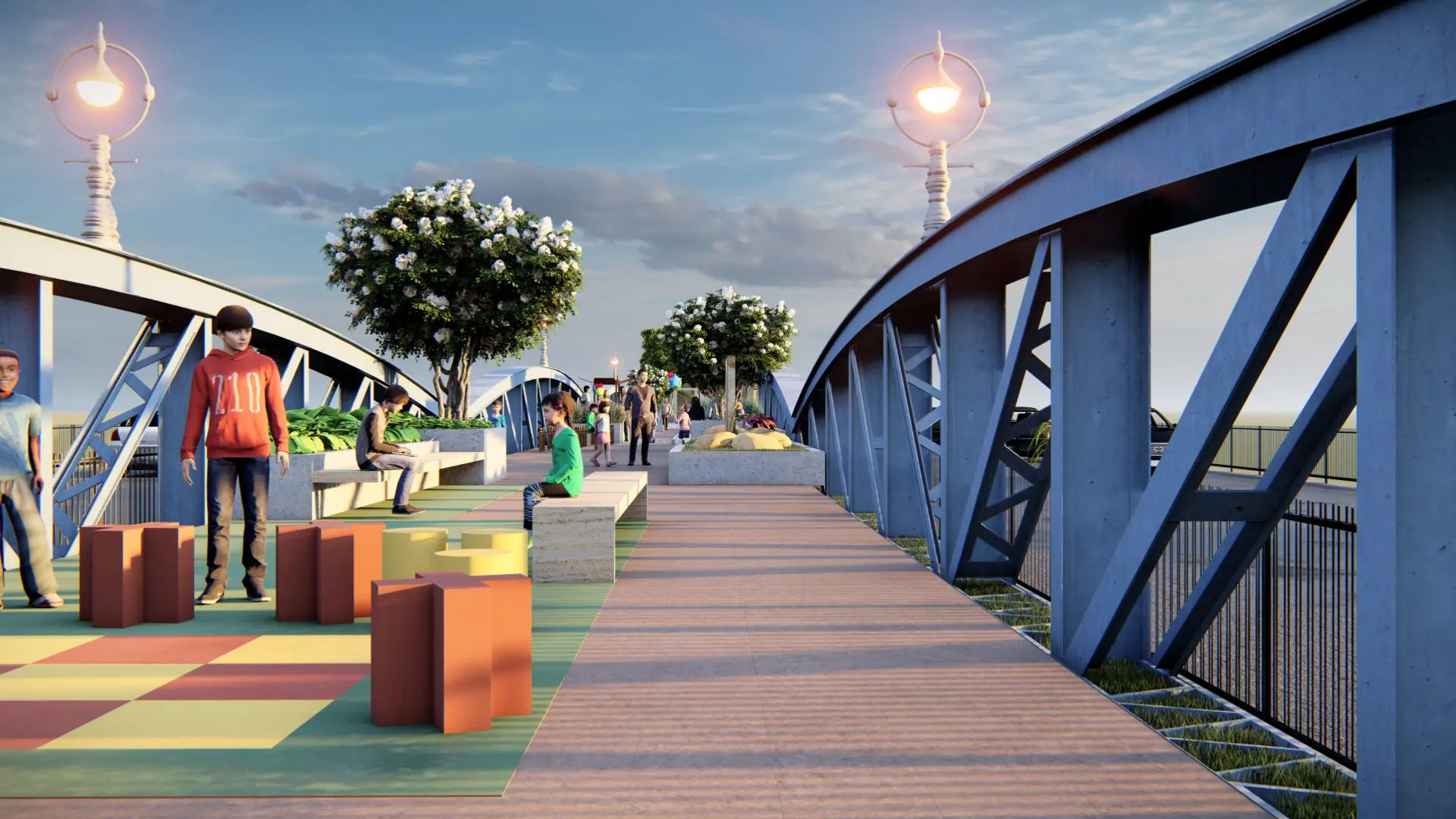
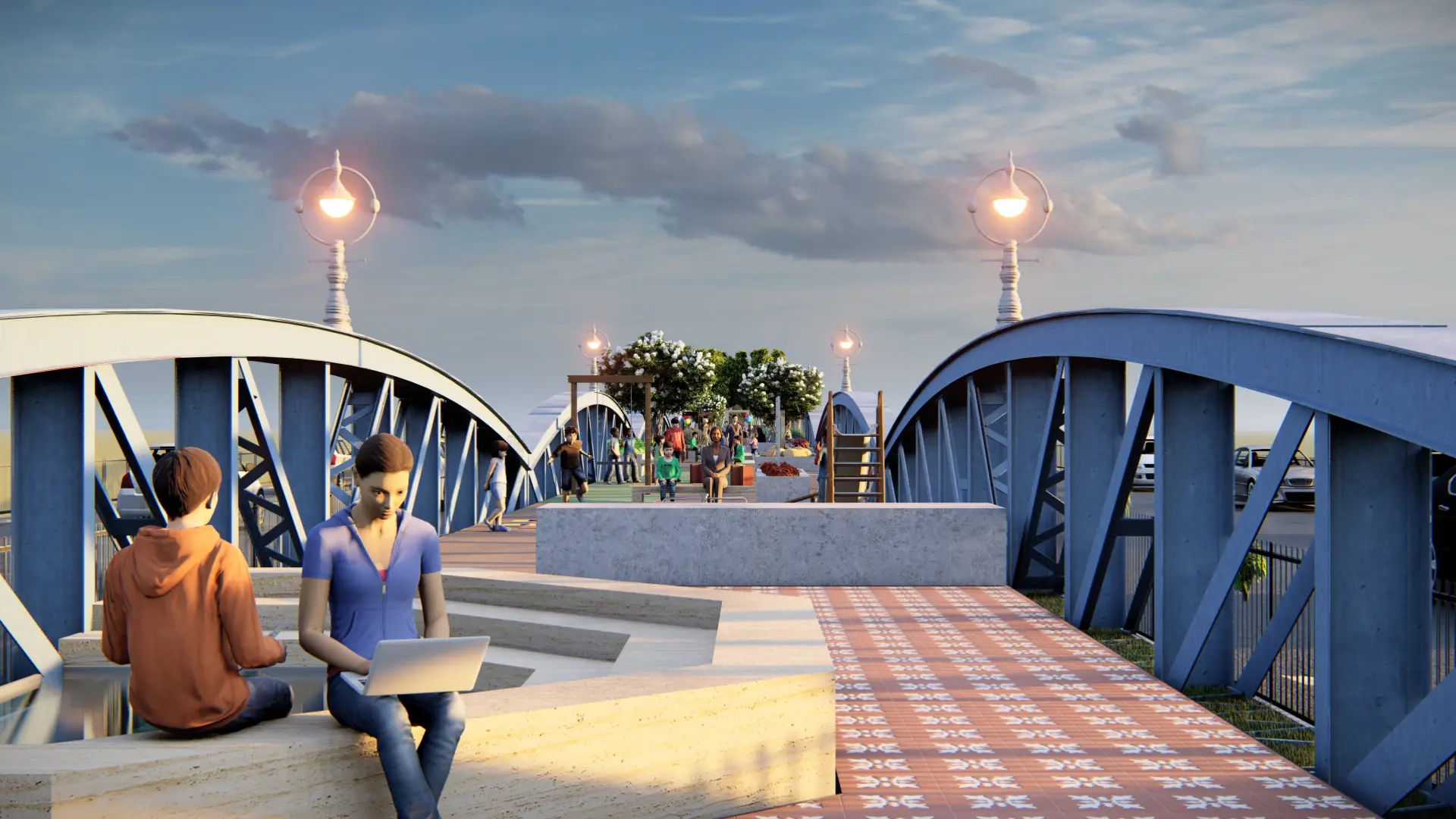
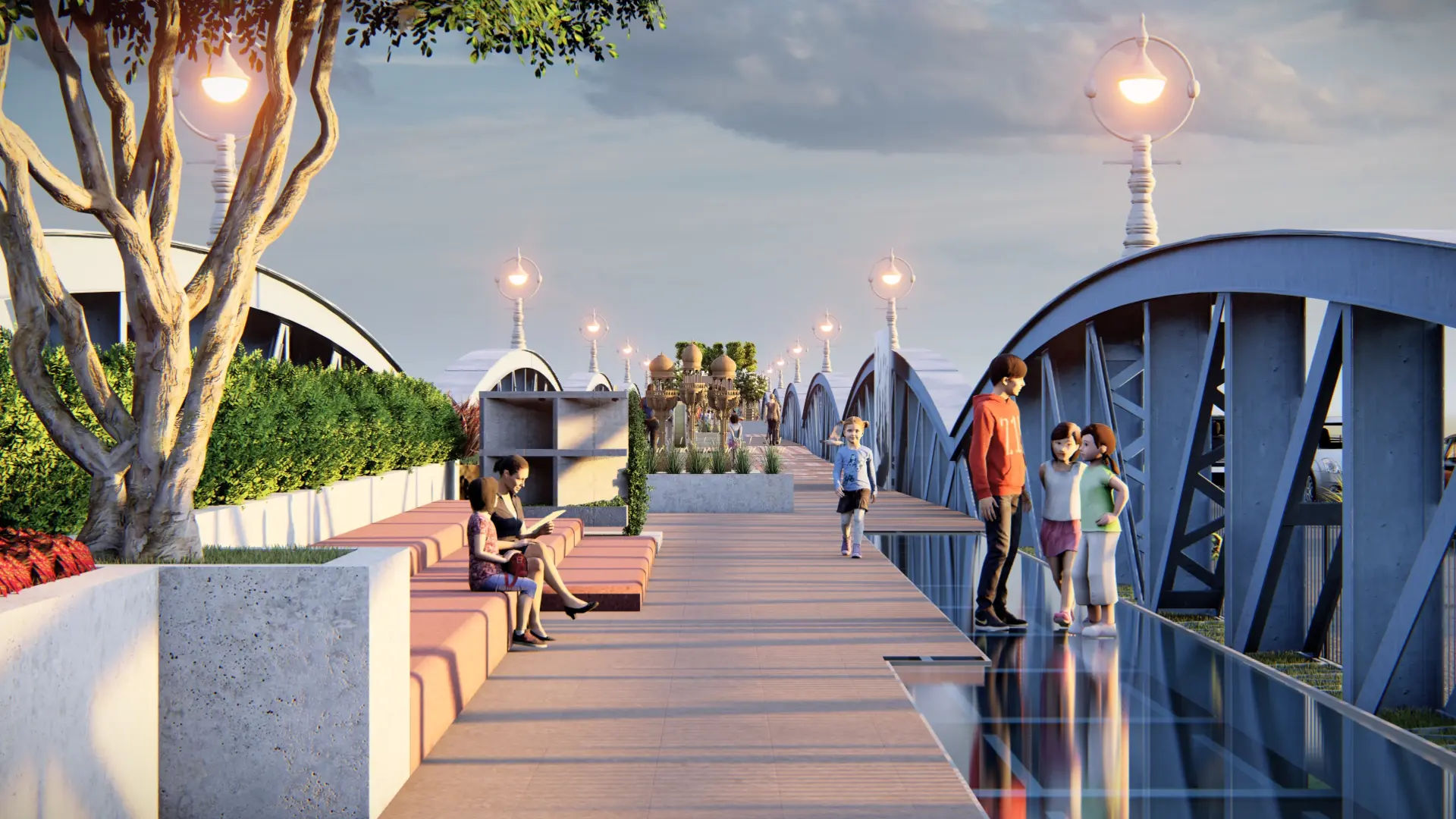
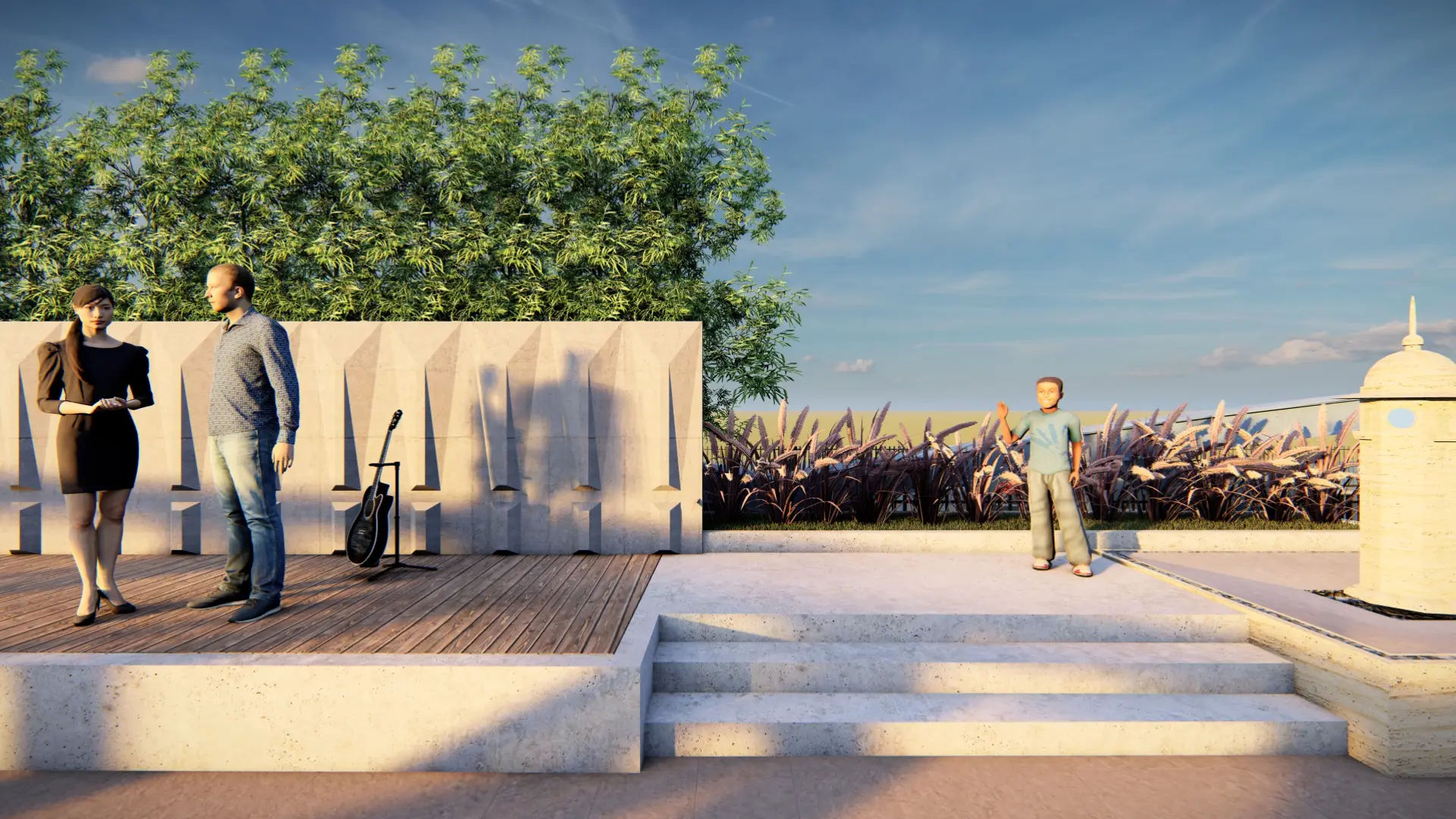
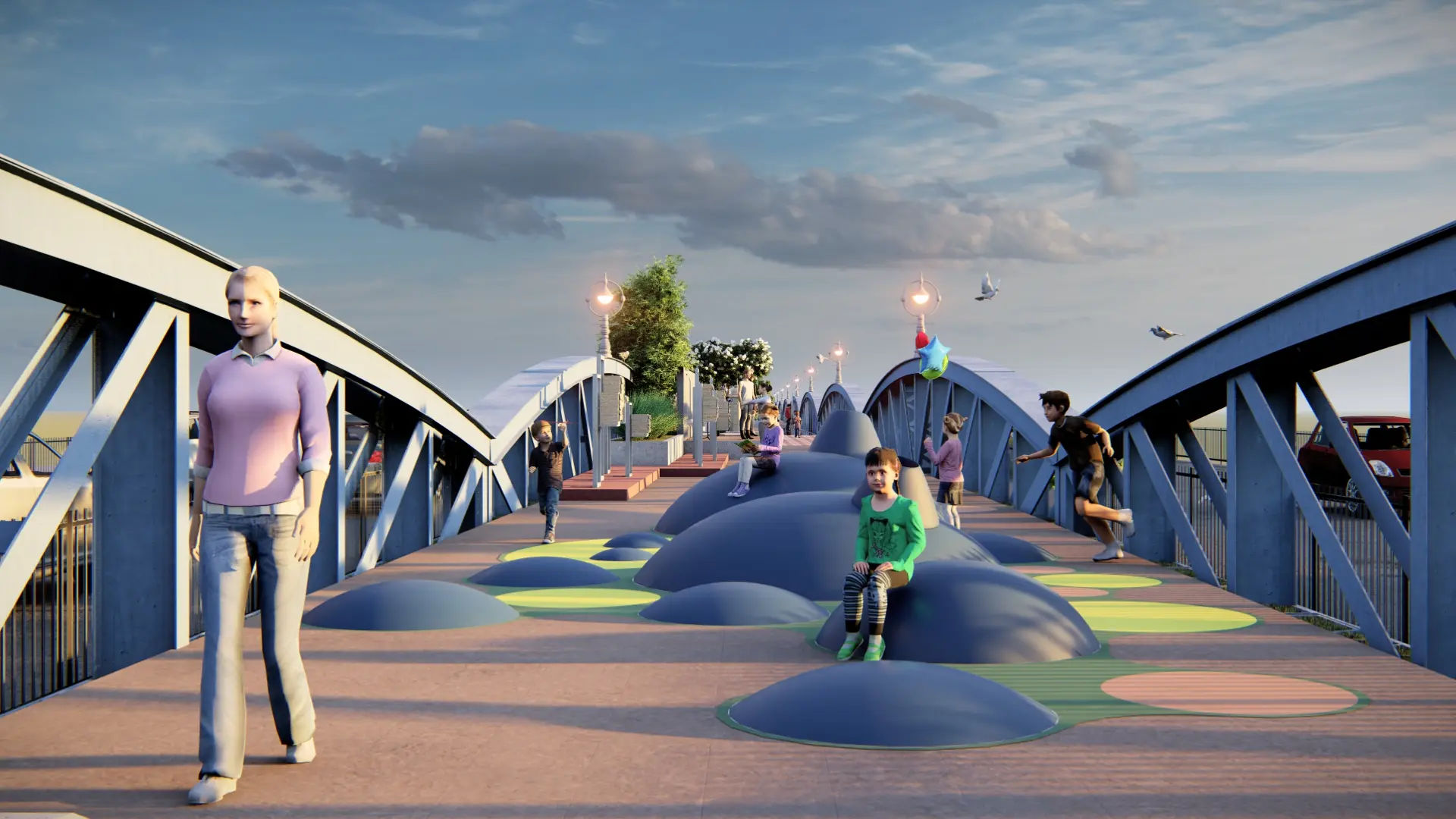
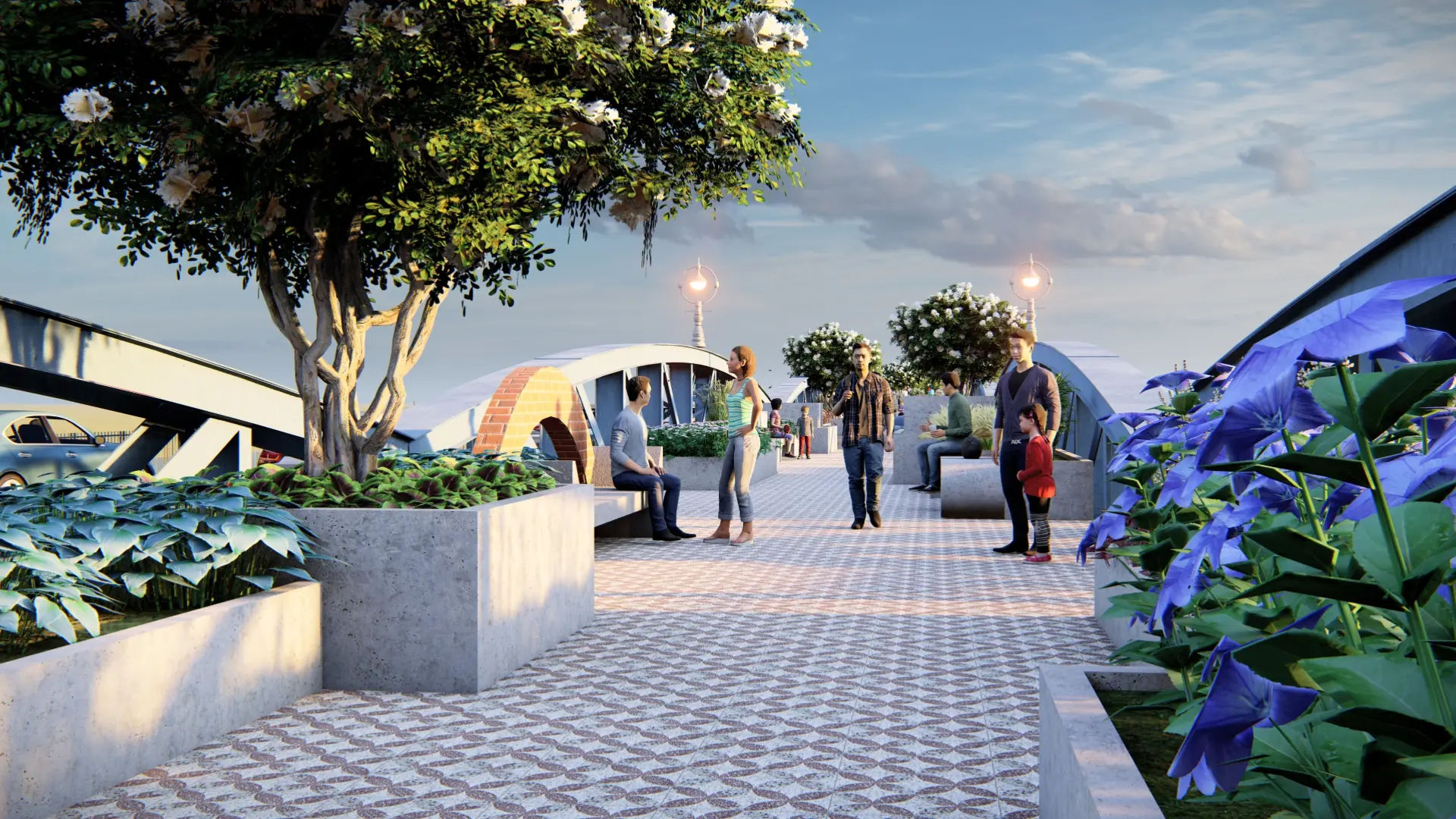
The design organizes the central spine of the bridge into a sequence of activity pockets that encourage interaction, rest, and visual connection with the Sabarmati River. Planter beds with native planting soften the structural character of the bridge while creating shaded nodes and spatial rhythm along the walkway. Integrated seating and stepped platforms form informal gathering zones, allowing visitors to pause and engage with the surroundings. A carefully positioned glass viewing panel within the stepped seating offers a unique moment of transparency, enabling people to look directly down at the river flowing beneath the bridge. The flooring pattern draws inspiration from traditional Indian and Gujarati motifs, bringing a subtle cultural layer to the pedestrian surface while reinforcing the heritage identity of the site. Playful sculptural elements and small activity areas introduce vibrancy for children and families, ensuring the bridge functions as a lively urban terrace rather than just a crossing. Together, the materials, planting palette, lighting elements, and spatial composition reinterpret Ellisbridge as a cultural promenade that reflects the spirit of Ahmedabad while reconnecting people with the river and the city’s historic infrastructure.
Click to view
Click to view
Click to view
Click to view
Click to view
Click to view
Click to view
project details
location
ahmedabad,gujarat
typology
public landscape
status
In Progress
additional disciplines
Landscape
client
Municipal Corporation
year
2020
project team
similar projects
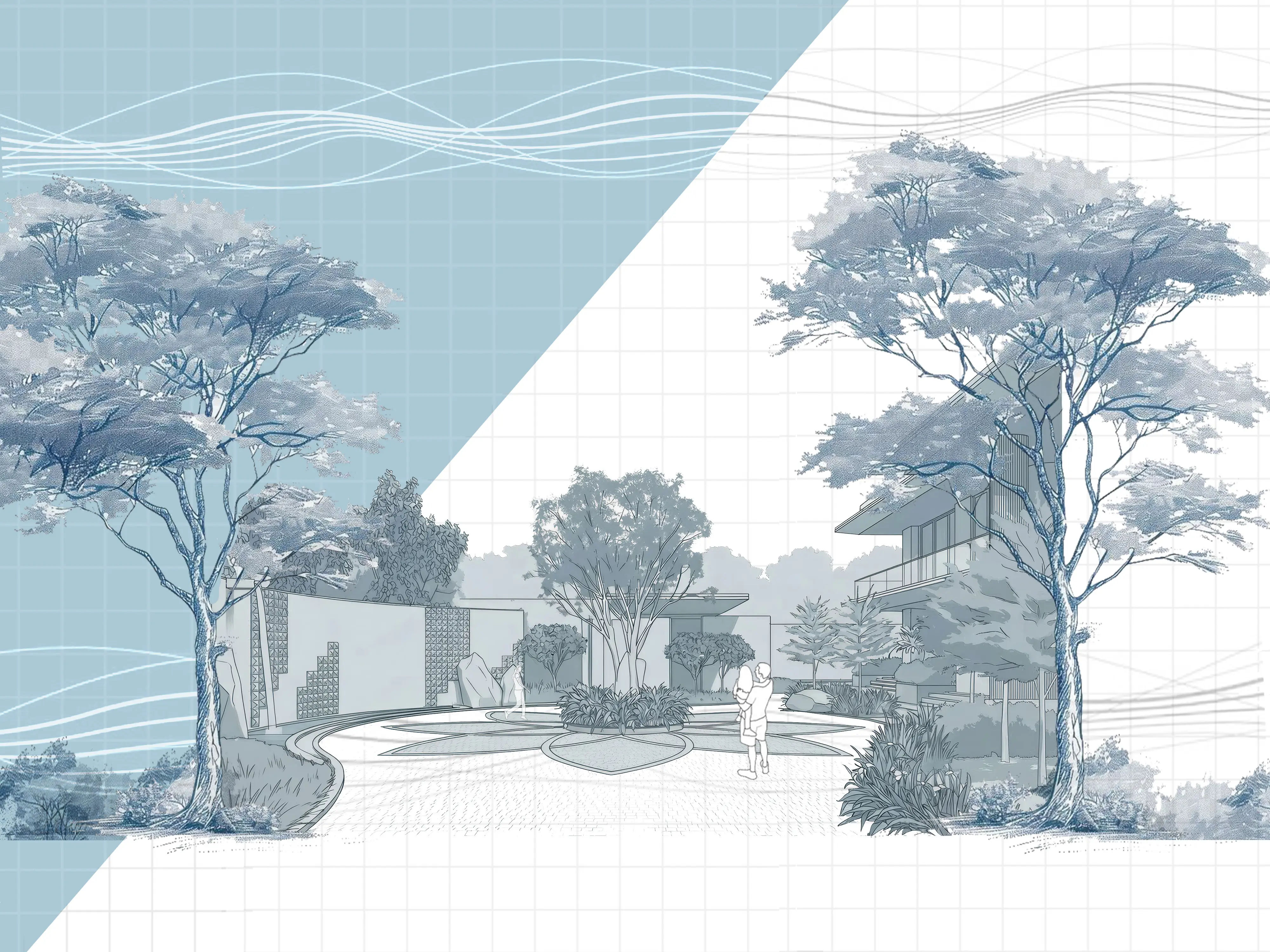
maheshwari residence
Indore,madhya pradesh • 2025
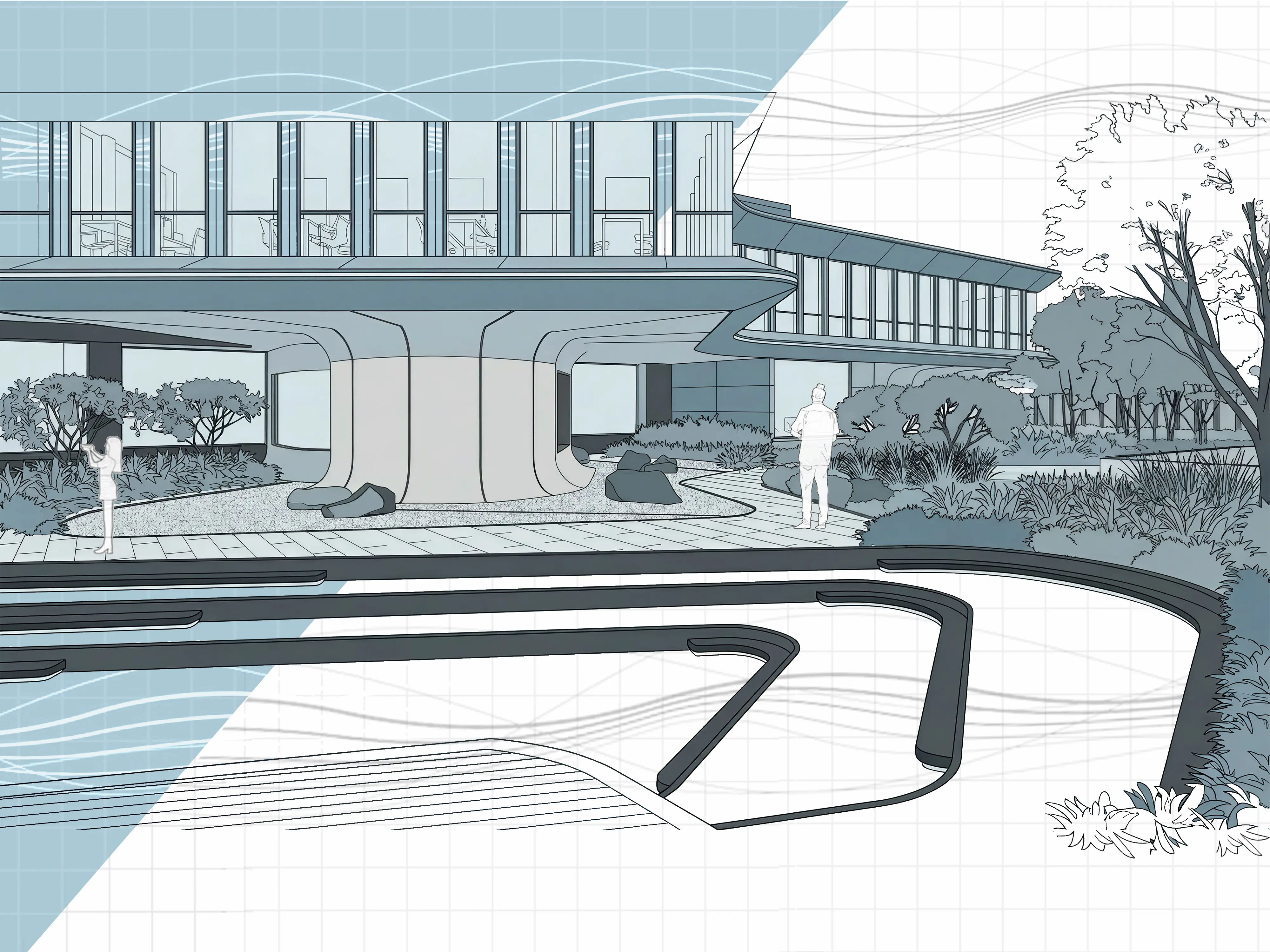
ub heritage corporate
ahmedabad,gujarat • 2024
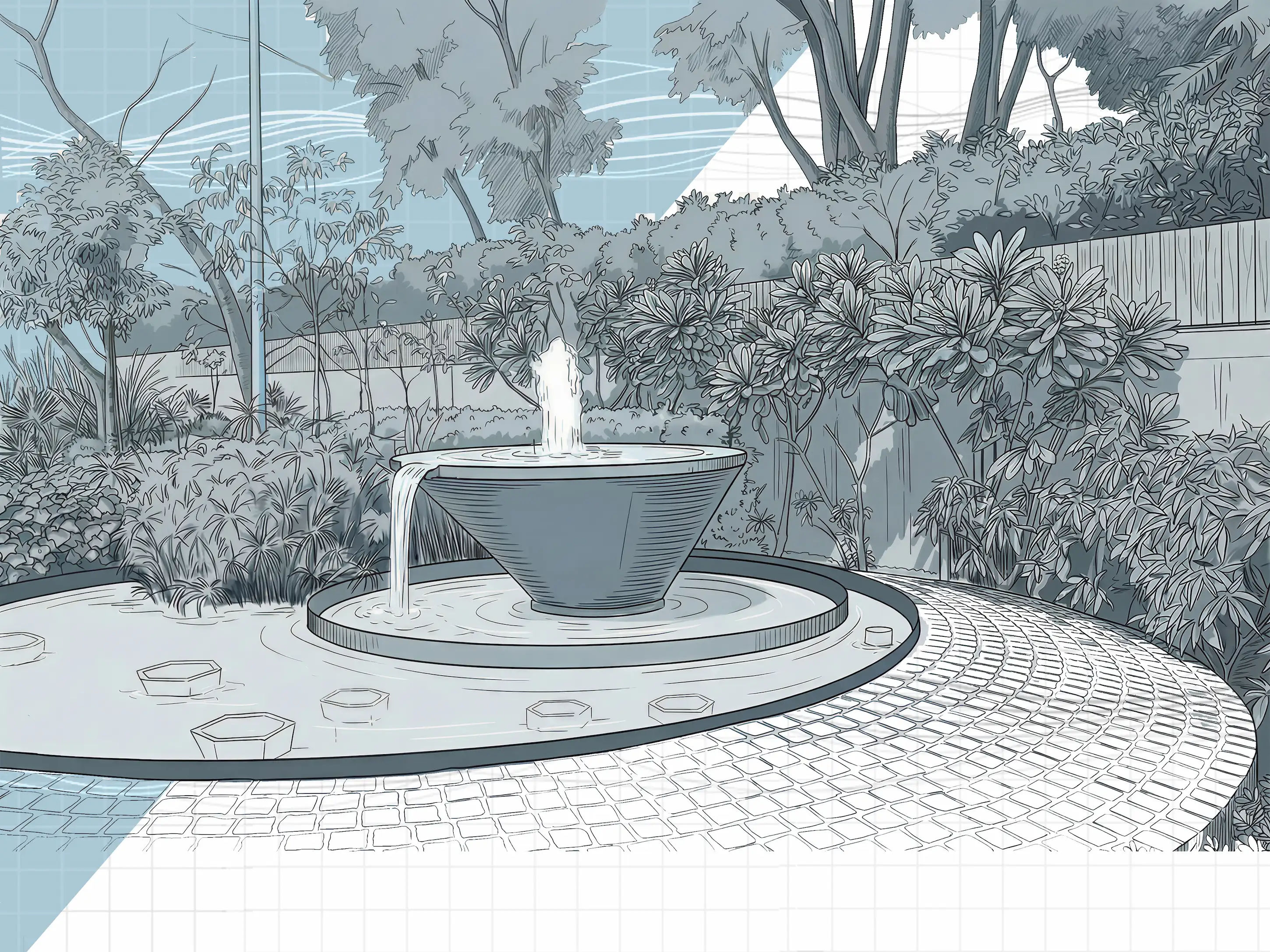
sharda house
ahmedabad,gujarat • 2019
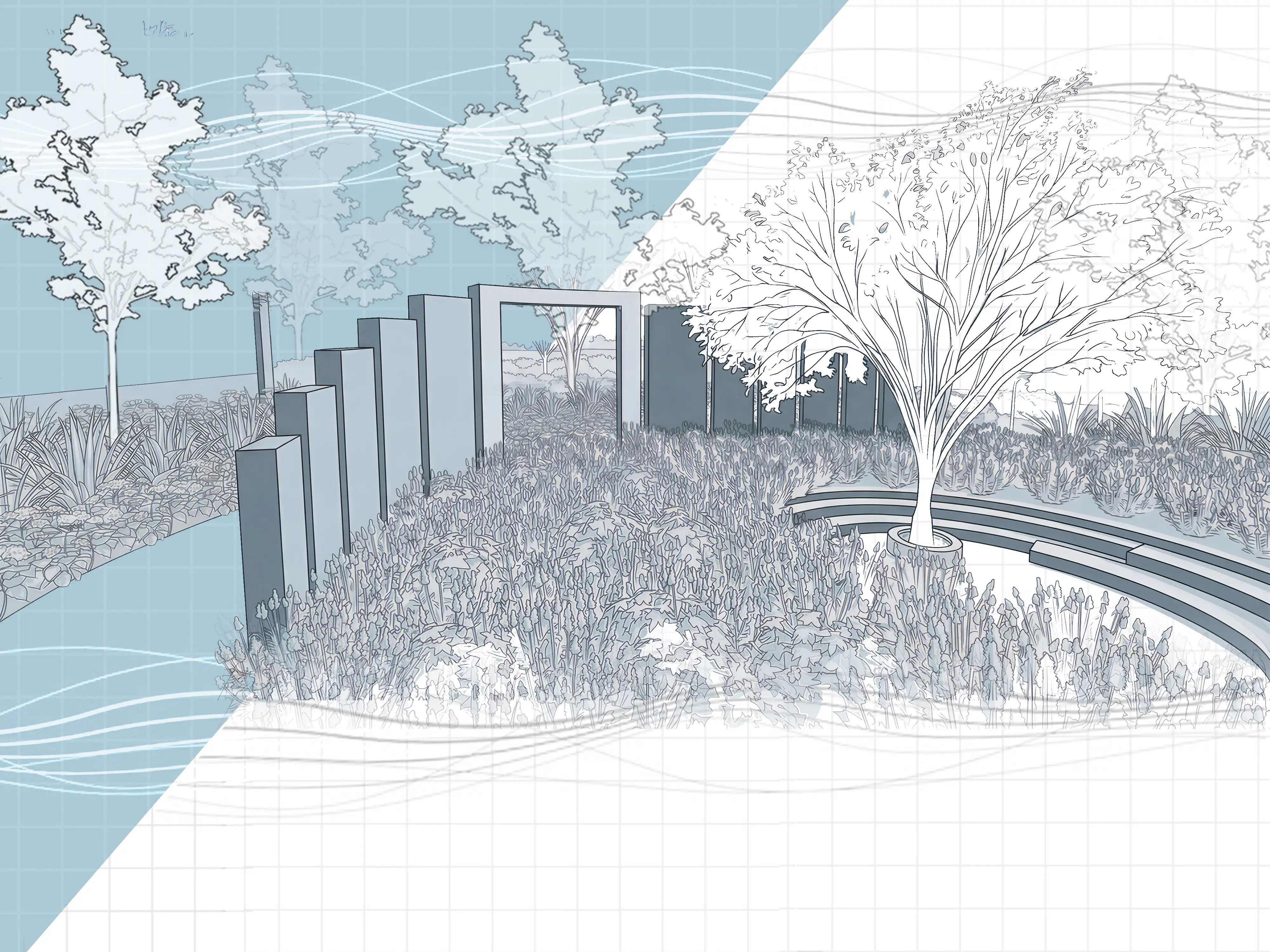
shanti niwas
ahmedabad,gujarat • 2020
roseville
ahmedabad,gujarat • 2024
ratnaakar oasis
ahmedabad,gujarat • 2023
pankajbhai farmhouse
ahmedabad,gujarat • 2025
nine x nine
gandhinagar,gujarat • 2023
sandhan
sandhan
loading projects…