SDCD Junagadh temple
temple landscape
concept
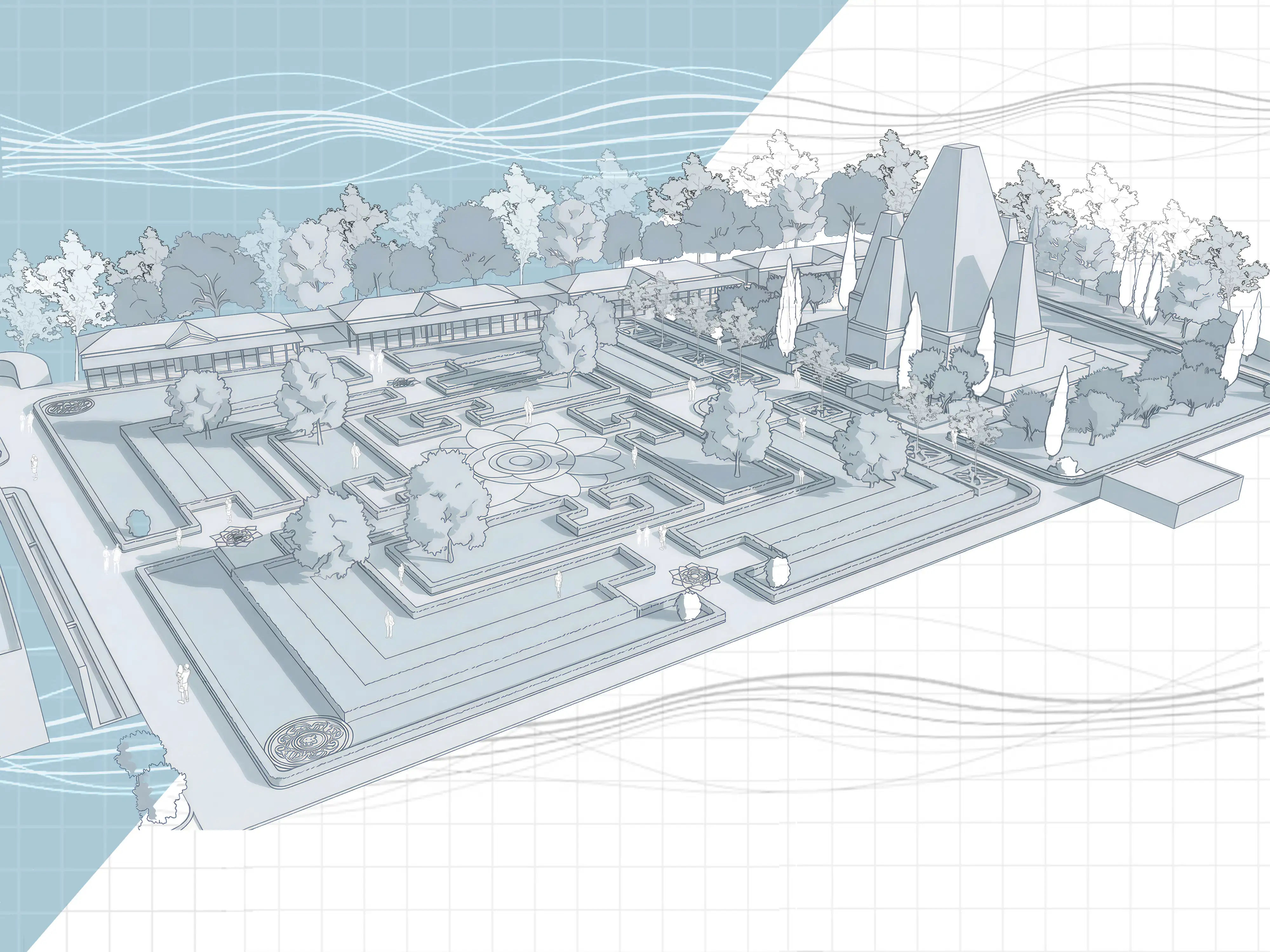
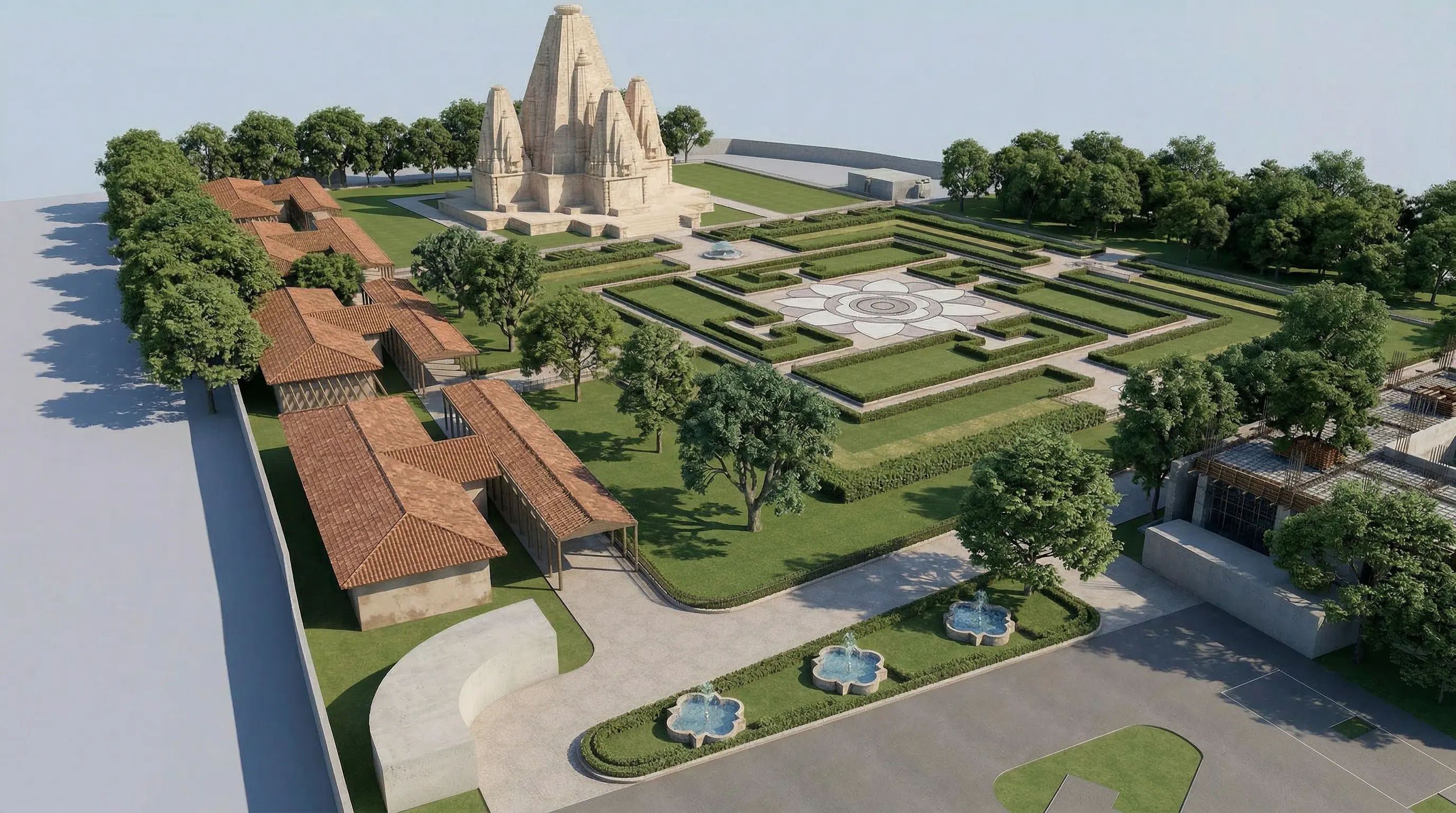
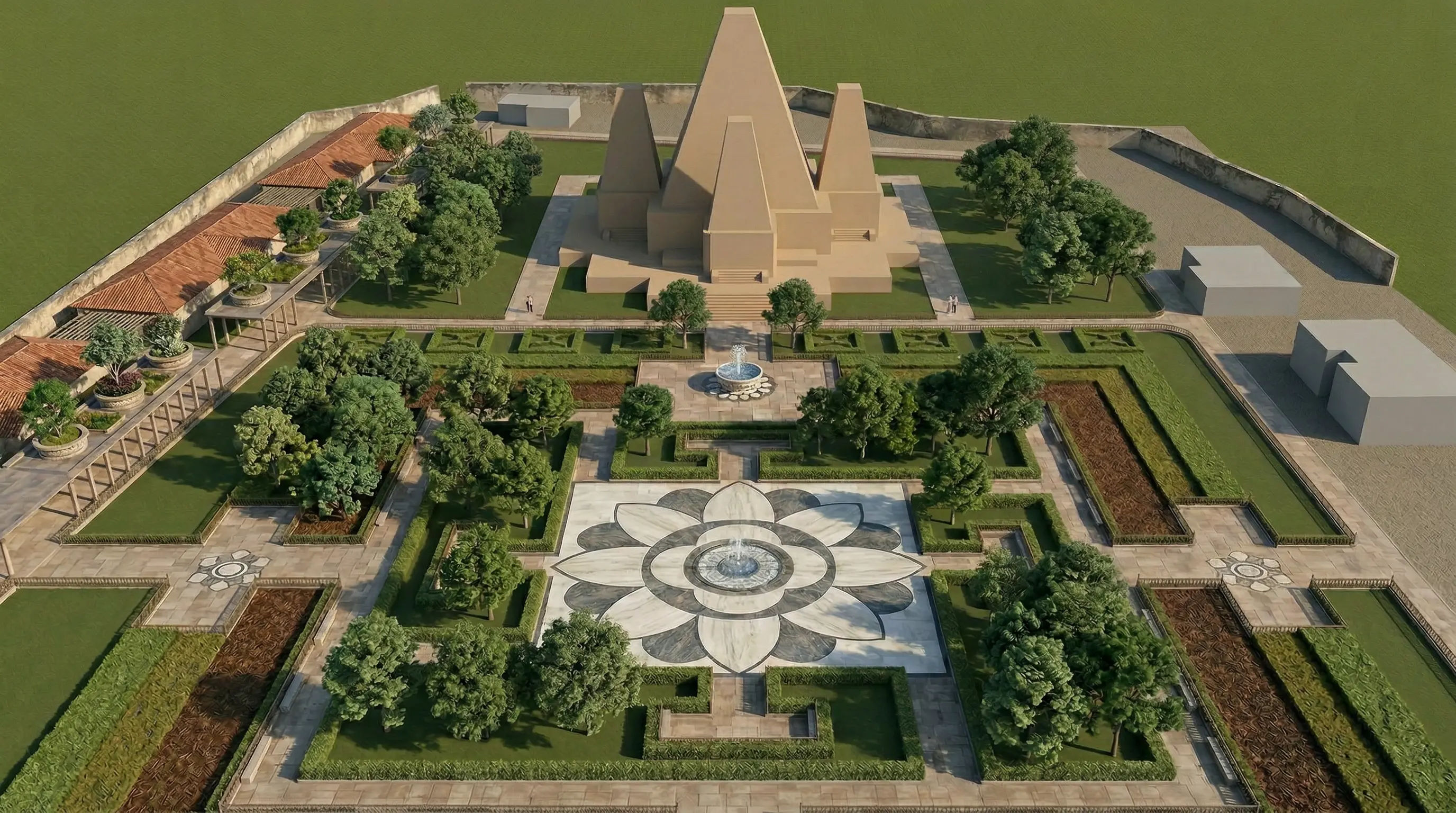
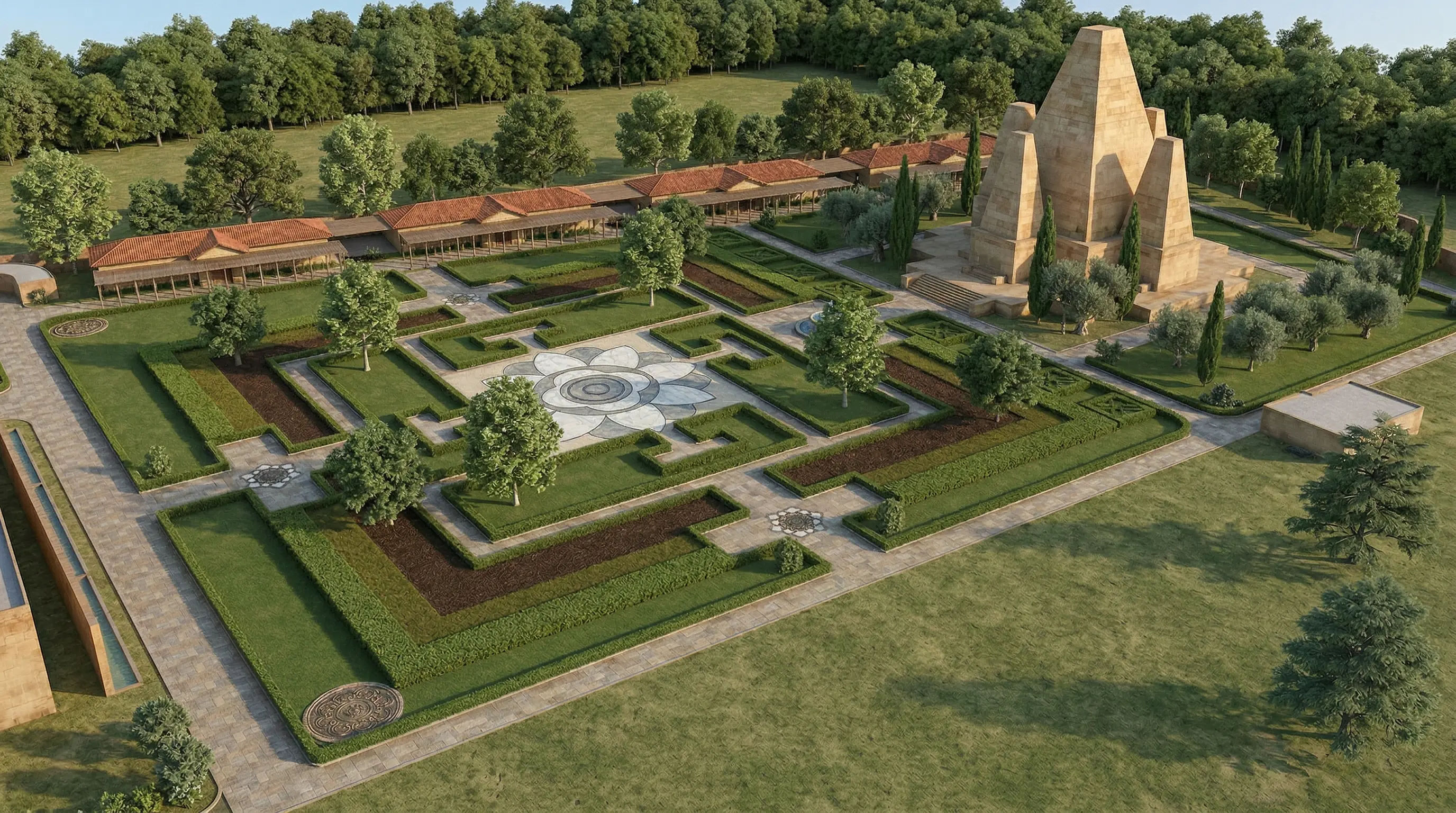
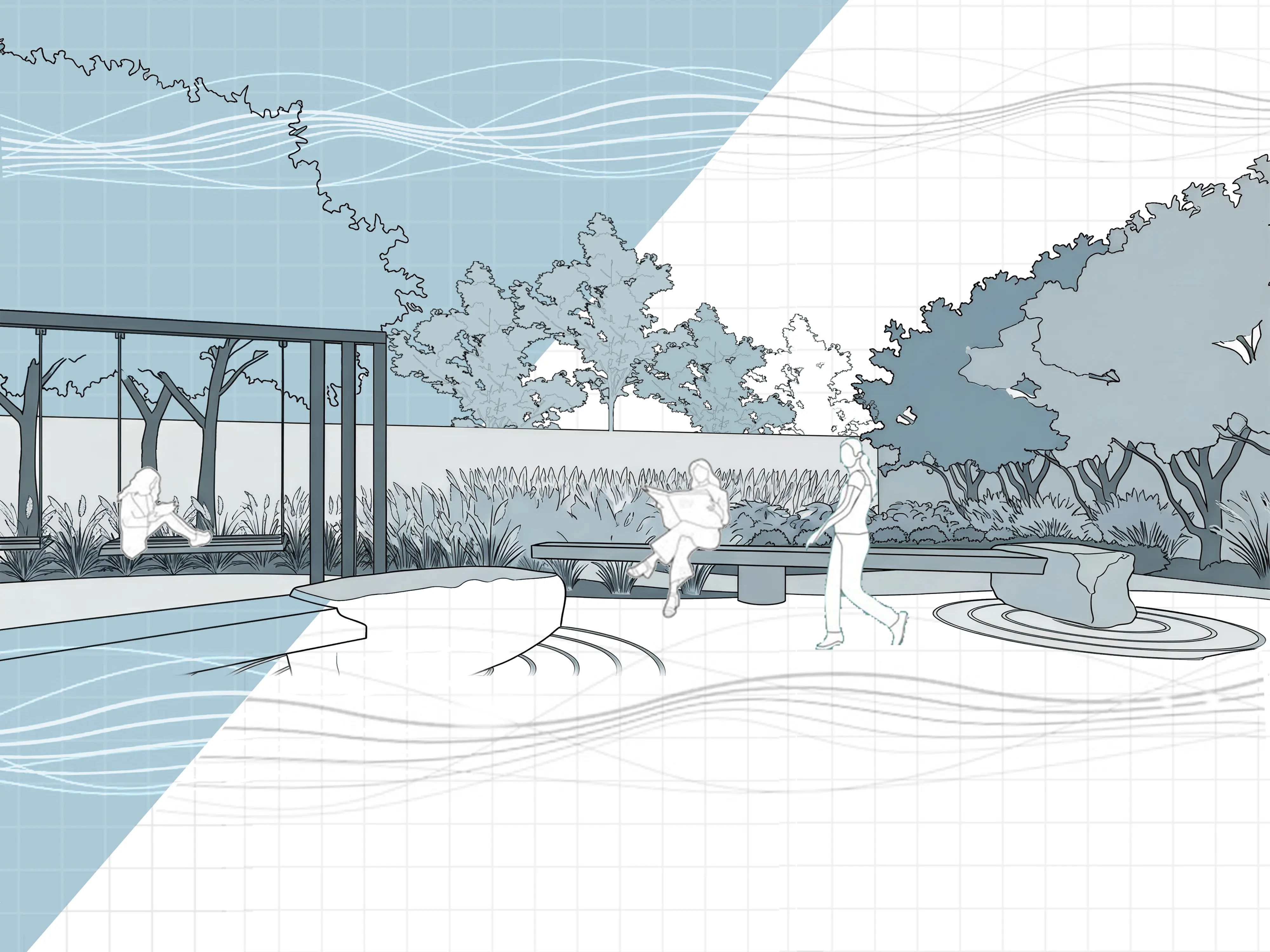
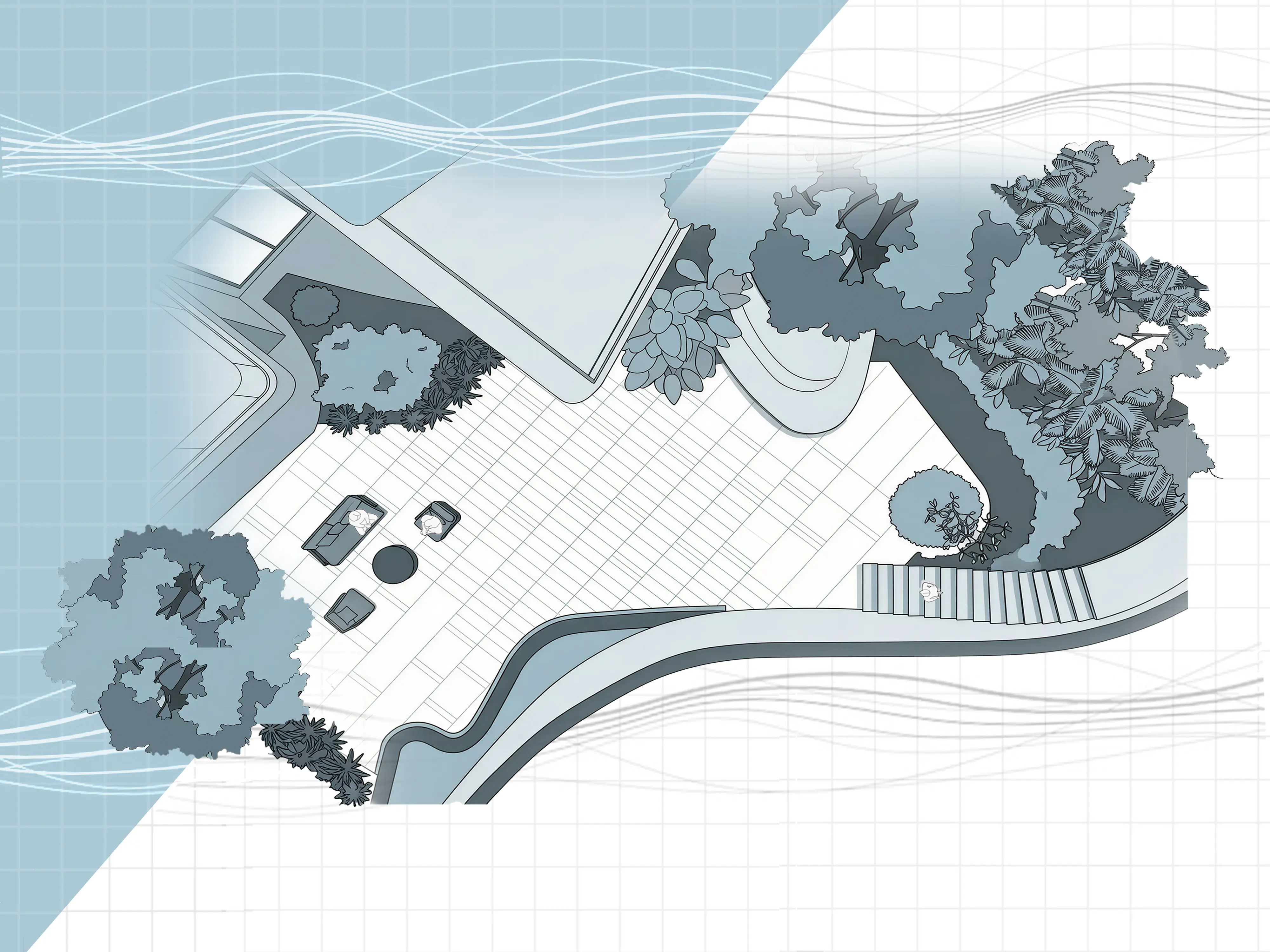
The temple landscape in Junagadh is envisioned as a sacred geometry brought to life—where the spiritual stillness of the temple is extended into the open ground through symmetry, proportion, and rhythm. Inspired by traditional temple precincts and mandala-based planning, the design uses clear geometric patterns to create a sense of order, reverence, and timelessness. Curves are introduced subtly within the larger orthogonal framework, primarily through lotus-inspired motifs and circular fountain forms, symbolizing purity and cosmic balance. The intent is to create a contemplative landscape that feels ceremonial yet simple—where every axis, edge, and open court guides the visitor inward, both physically and emotionally, toward the sanctum.
design
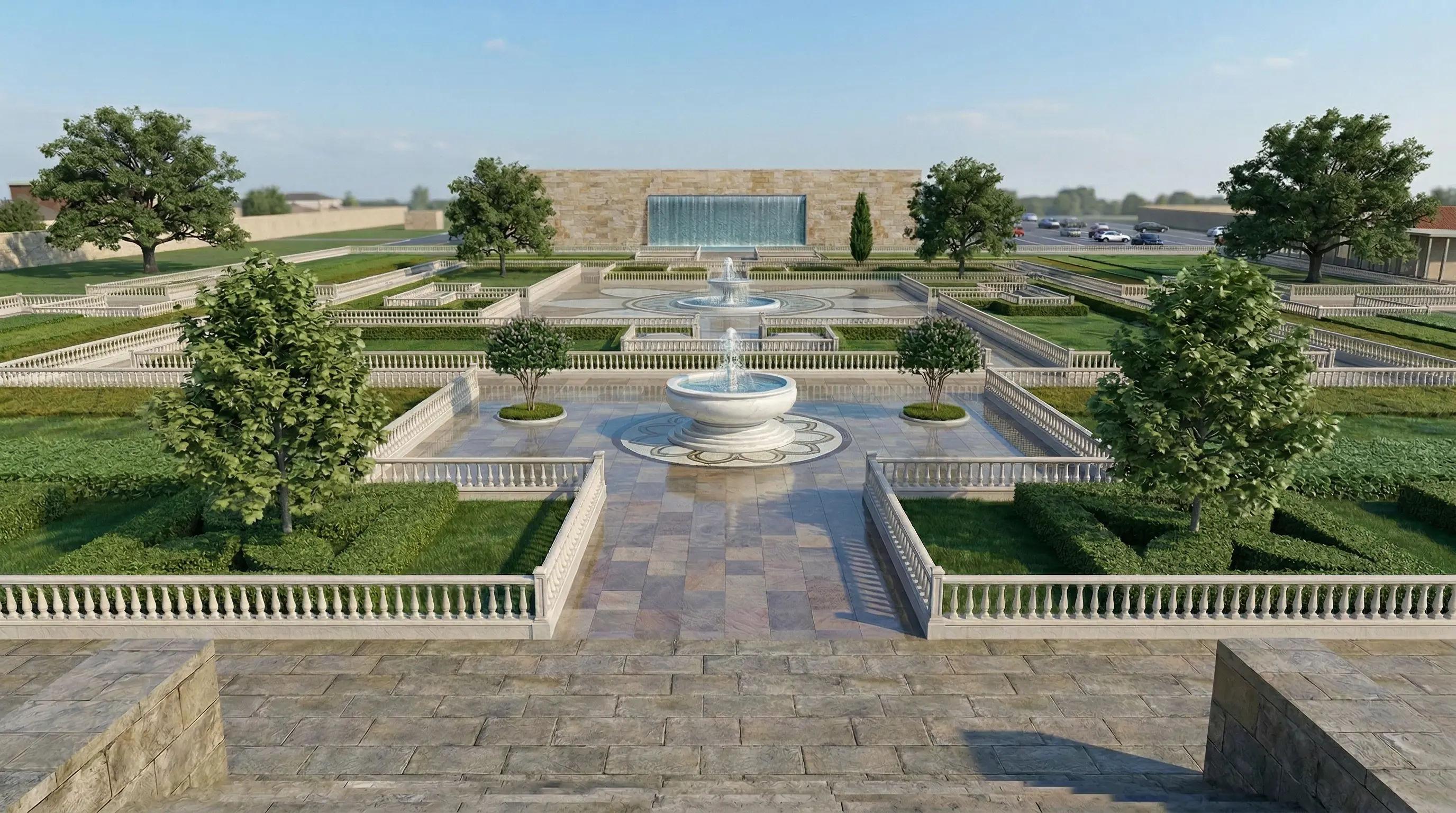
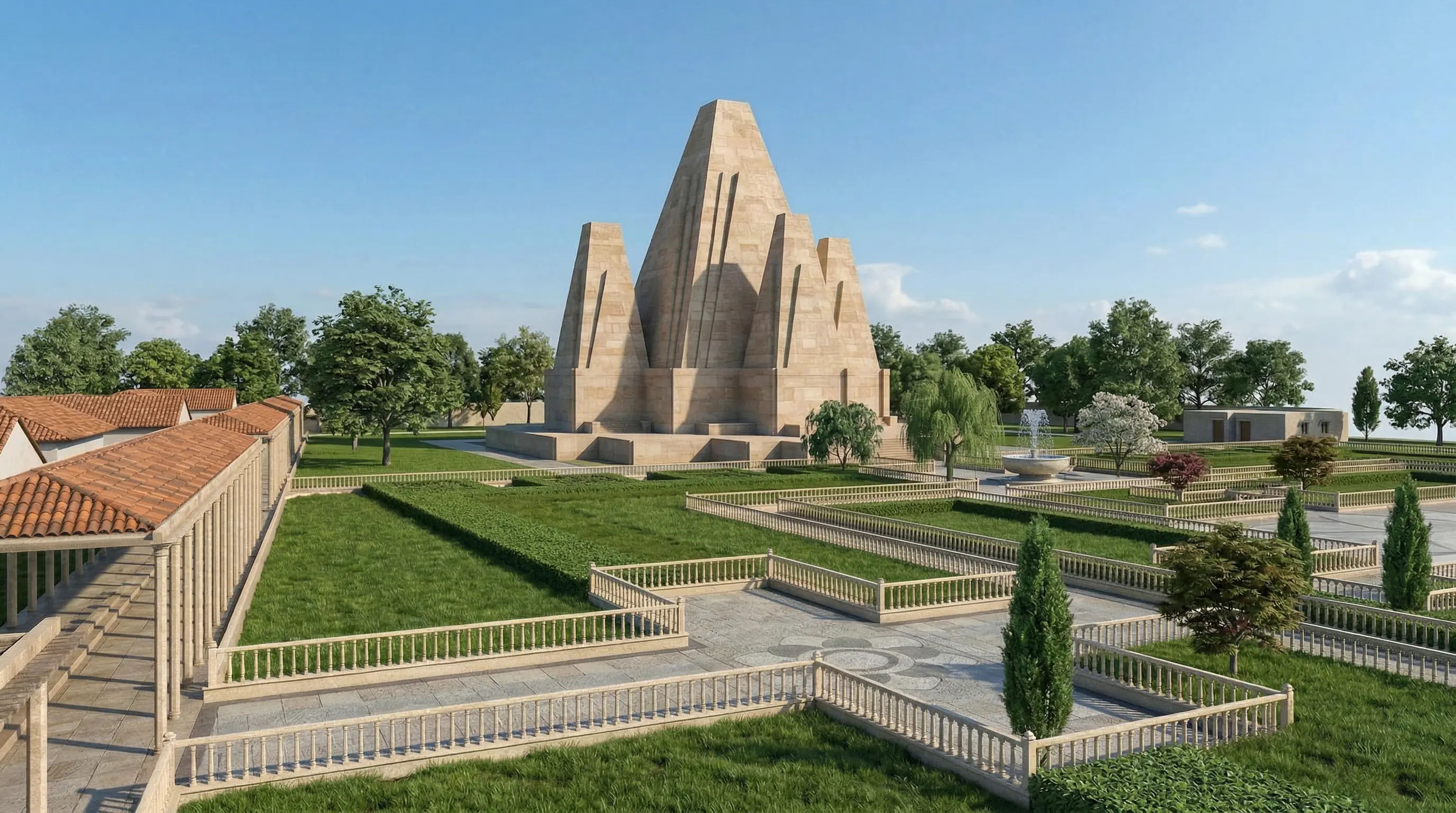
The landscape is organized around a strong central axis that aligns with the temple shikhara, establishing a direct visual and spiritual connection from the entrance to the shrine. Formal garden courts are laid out in a series of geometric terraces, framed by low clipped hedges, stone balustrades, and paved walkways that reinforce the temple’s monumental character. At the heart of the garden, a lotus-patterned plaza with a central fountain acts as a symbolic focal point, while secondary fountains and water features are placed along the axis to create rhythm and cooling microclimates. The planting palette is intentionally restrained—using cypress-like verticals, shade trees, and manicured lawns to maintain clarity and dignity in the composition. Colonnaded edges and shaded corridors provide processional movement and resting spaces, while the open lawns around the temple allow the architecture to remain visually dominant. The overall design language is simple, balanced, and rooted in tradition, using geometry as a medium to express devotion, procession, and sacred calm.
Click to view
Click to view
Click to view
Click to view
Click to view
project details
location
Junagadh,gujarat
typology
public landscape
status
In Progress
additional disciplines
Landscape
year
2021
keywords
Axial SymmetryCompositionPrecinctMotif Plaza
similar projects
maheshwari residence
Indore,madhya pradesh • 2025
ub heritage corporate
ahmedabad,gujarat • 2024
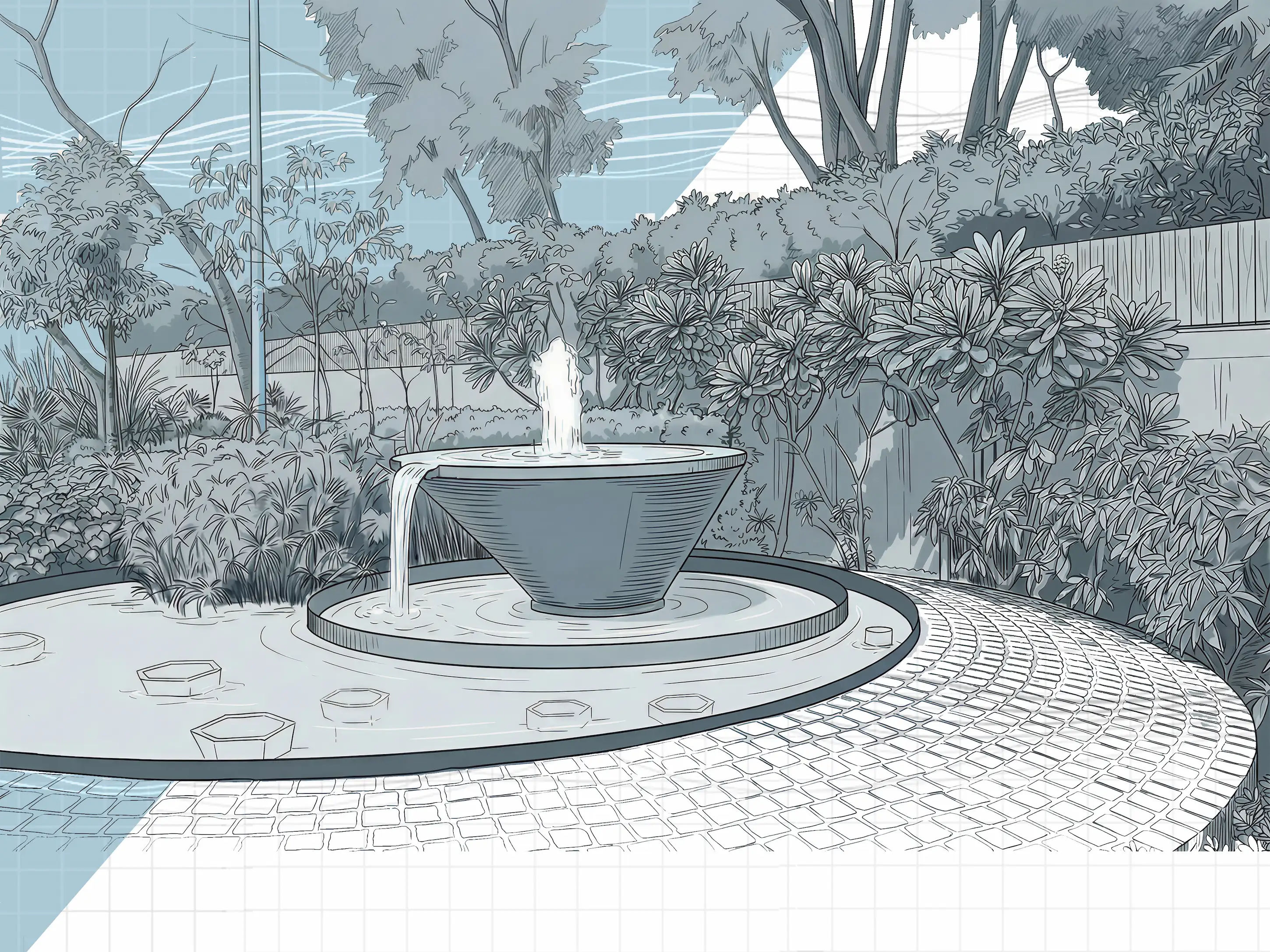
sharda house
ahmedabad,gujarat • 2019
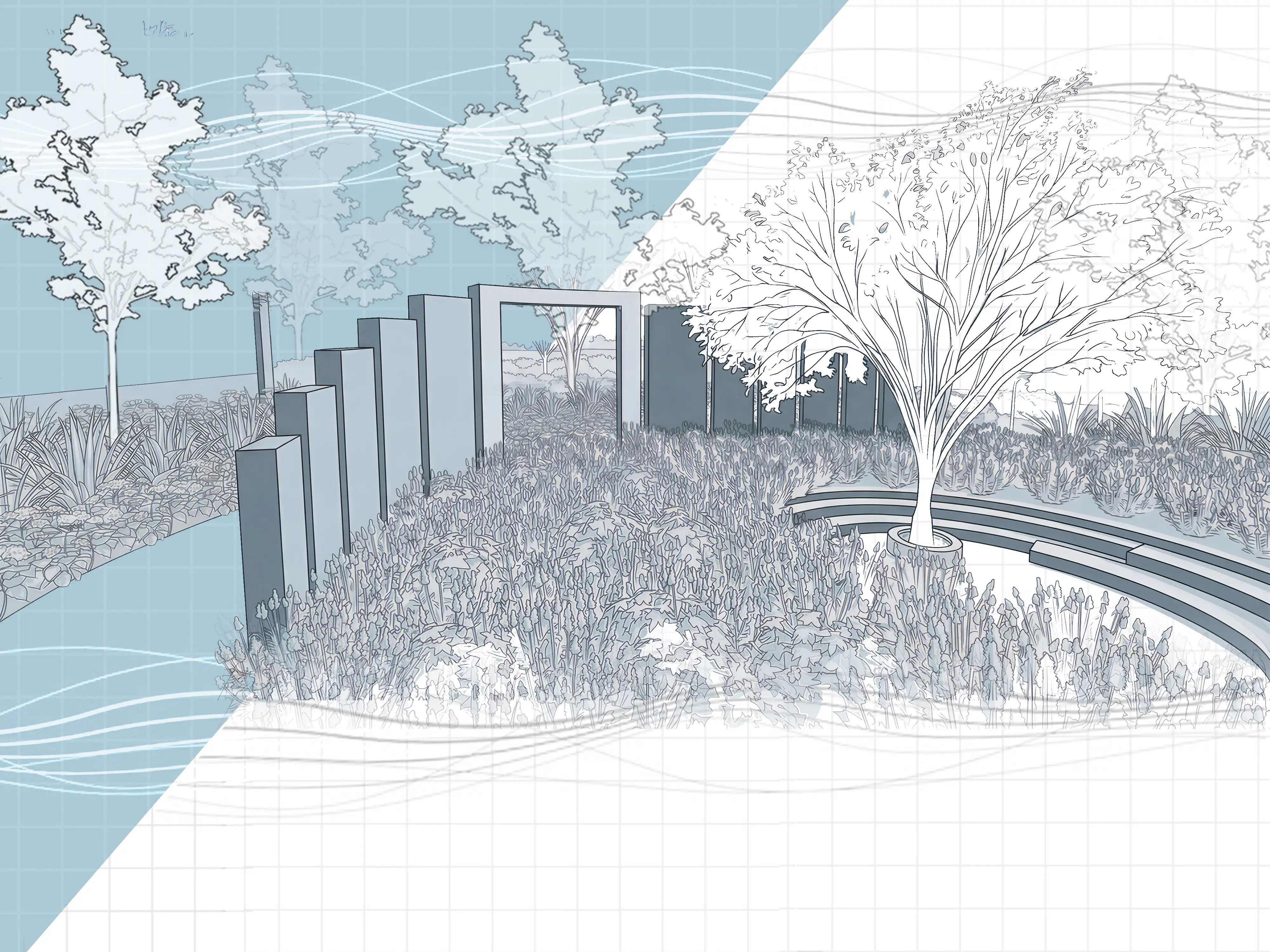
shanti niwas
ahmedabad,gujarat • 2020
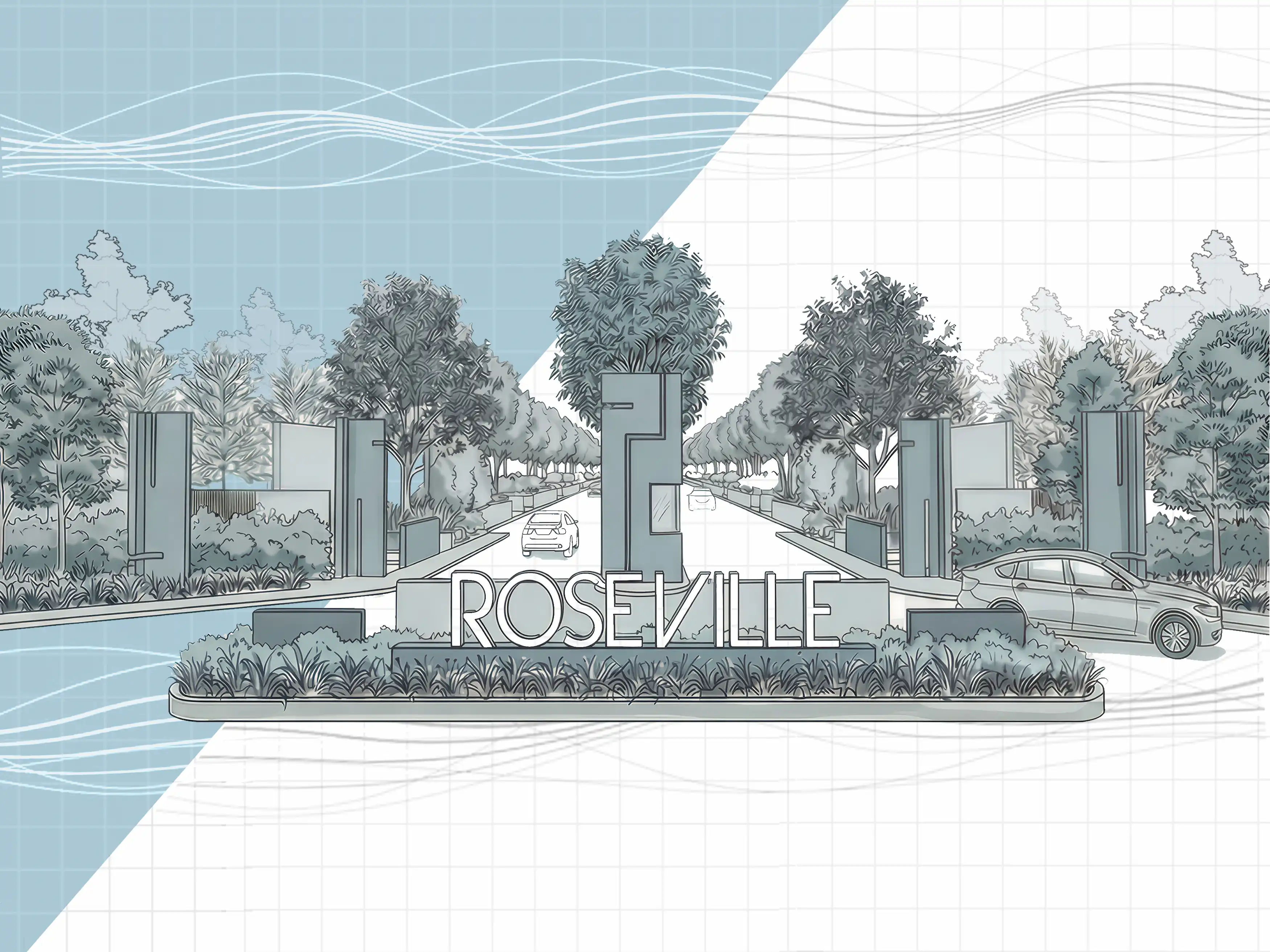
roseville
ahmedabad,gujarat • 2024
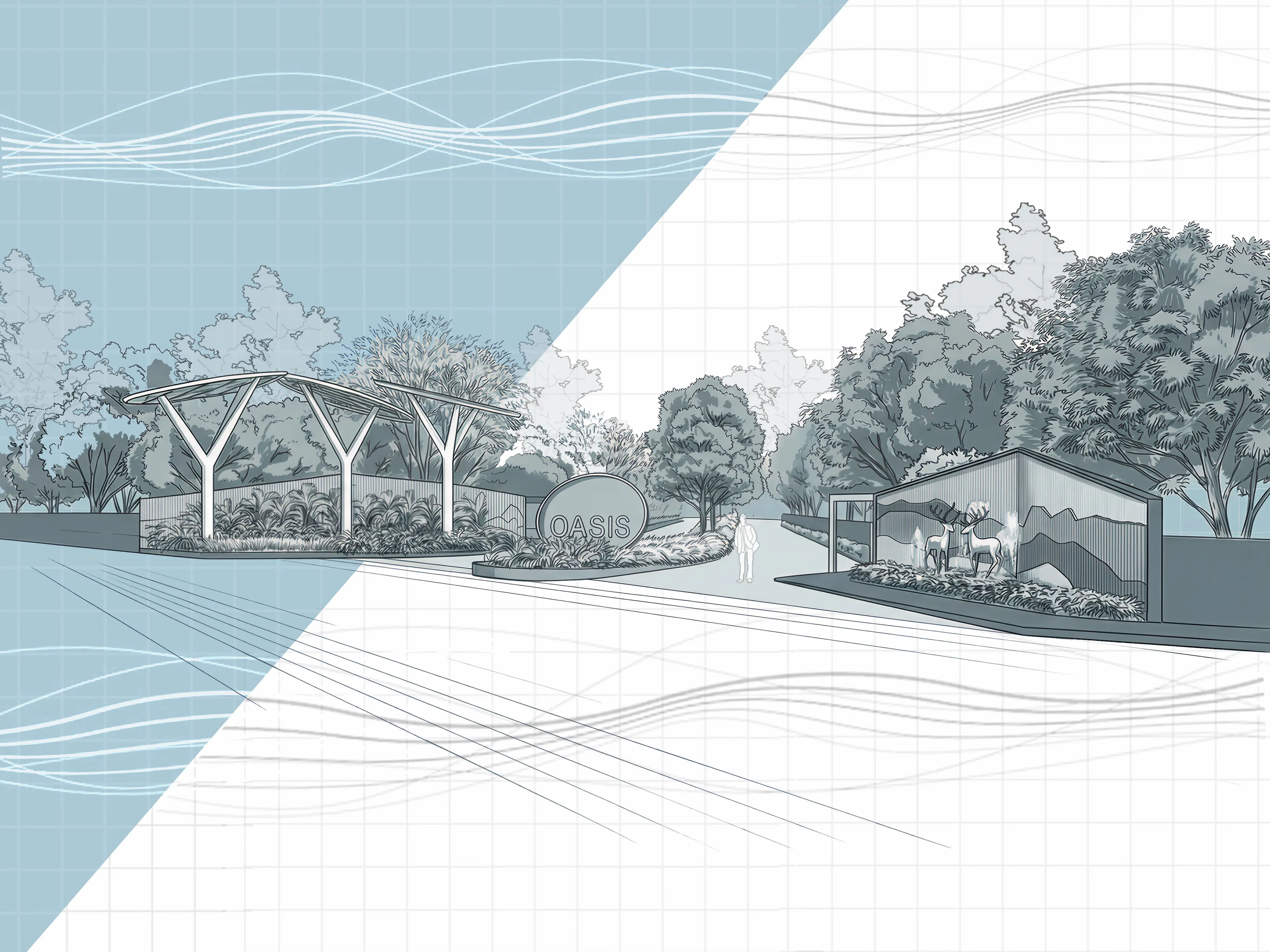
ratnaakar oasis
ahmedabad,gujarat • 2023
pankajbhai farmhouse
ahmedabad,gujarat • 2025
nine x nine
gandhinagar,gujarat • 2023
sandhan
sandhan
loading projects…